Product Description
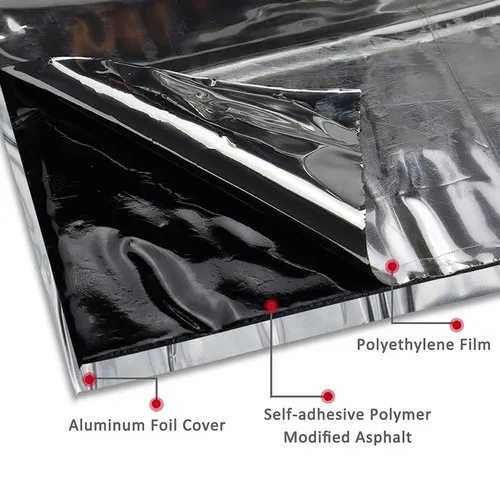
Bituminous membrane is a highly durable, waterproof material used primarily for roofing and waterproofing applications. Made from bitumen and reinforced with a variety of materials like polyester or fiberglass, it provides superior resistance to water, UV rays, and extreme temperatures. Ideal for flat or low-sloped roofs, this membrane ensures long-lasting protection against leaks and moisture damage. As a supplier, we offer bituminous membranes in various forms, including self-adhesive and torch-applied options, making them versatile and easy to install for both residential and commercial projects.
Specification:
|
Feature
|
Waterproof
|
|
Roll Length
|
10 m
|
|
Country of Origin
|
Made in India
|
|
Material
|
Bitumen
|
|
Color
|
Black
|
|
Brand
|
Osaka
|
|
Usage/Application
|
Industrial
|
Superior Waterproofing PerformanceThis bituminous membrane ensures robust protection against water infiltration, making it ideal for roofs, basements, and foundations. The advanced reinforcement with polyester or glass fiber, alongside a choice of PE film, sand, slate, or granule surfaces, enhances its mechanical strength and adaptability to various substrates.
Versatile Installation and EnduranceThe product is flexible and easy to apply across different structures. Its high softening point allows for dependable use in regions with extreme temperatures, while the smooth or granulated surfaces provide options suited to distinct architectural and performance needs.
FAQ's of Bituminous Membrane:
Q: How is bituminous membrane installed for optimal waterproofing results?
A: Bituminous membrane should be applied to a clean and primed surface. It is typically unrolled and positioned, with overlaps sealed using hot-air welding, torch fusion, or cold adhesive depending on the membrane type. Proper installation ensures maximum water resistance and longevity.
Q: What reinforcement materials are available for this membrane, and how do they affect performance?
A: This membrane is reinforced with either polyester or glass fiber. Polyester reinforcement offers superior flexibility and elongation, ideal for areas with structural movement, while glass fiber delivers enhanced dimensional stability and tear resistance.
Q: When should I use a bituminous membrane with granulated versus a smooth surface?
A: Granulated surfaces provide additional UV protection and slip resistance, making them ideal for exposed roofs or surfaces receiving direct sunlight. Smooth membranes are suitable for covered areas or as an underlayer beneath other finishing materials.
Q: Where can this bituminous membrane be effectively used?
A: It is designed for use in waterproofing roofs, terraces, foundations, basements, and wet areas. Its robustness and UV resistance allow it to perform reliably in both residential and commercial building applications.
Q: What is the expected lifespan of the membrane, and what factors influence its durability?
A: When properly installed, the membrane can last 10 to 15 years. Factors such as installation quality, exposure to harsh weather, and surface preparation significantly impact its longevity.
Q: How does the membrane provide protection against UV rays and high temperatures?
A: The top surface, which can feature granules or slate, offers excellent UV resistance, while the bituminous material's softening point above 100C ensures it retains integrity even in hot climates.
Q: What are the main benefits of choosing this bituminous membrane for waterproofing?
A: Key benefits include superior waterproofing, high tensile strength, low water absorption, resistance to UV and temperature extremes, and a lifespan of up to 15 years. Its flexibility and variety of surface finishes make it adaptable for diverse waterproofing needs.


 Send Inquiry


 Send Inquiry
 Send SMS
 English
 Spanish
 French
 German
 Italian
 Chinese (Simplified)
 Japanese
 Korean
 Arabic
 Portuguese